Exploring the relationship between food quality and nutritional value
Nutrient density refers to the concentration of vitamins, minerals, and other beneficial compounds relative to the caloric content of food. Nutrient-dense foods provide substantial nutritional value without excessive calories, supporting optimal health outcomes across various physiological systems.
While caloric content remains relevant for overall energy balance, nutrient density better reflects food's true nutritional contribution. Two foods may contain identical calories but vastly different micronutrient profiles.
For example, fresh vegetables and whole grains offer substantial micronutrients and fiber with relatively few calories, while processed foods often contain similar calories with minimal nutritional benefit. This distinction becomes increasingly important when considering long-term health outcomes.
Rich in vitamins, minerals, phytonutrients, and fiber. Fresh, colorful produce represents among the most nutrient-dense options available, providing exceptional nutritional value with minimal caloric density.
Provide B vitamins, minerals, and fiber essential for energy metabolism and digestive health. Whole grain options offer substantially greater nutritional density compared to refined grain products.
Supply amino acids, B vitamins, and minerals while maintaining relatively low fat content in appropriate selections. Protein quality and associated micronutrients vary significantly among sources.
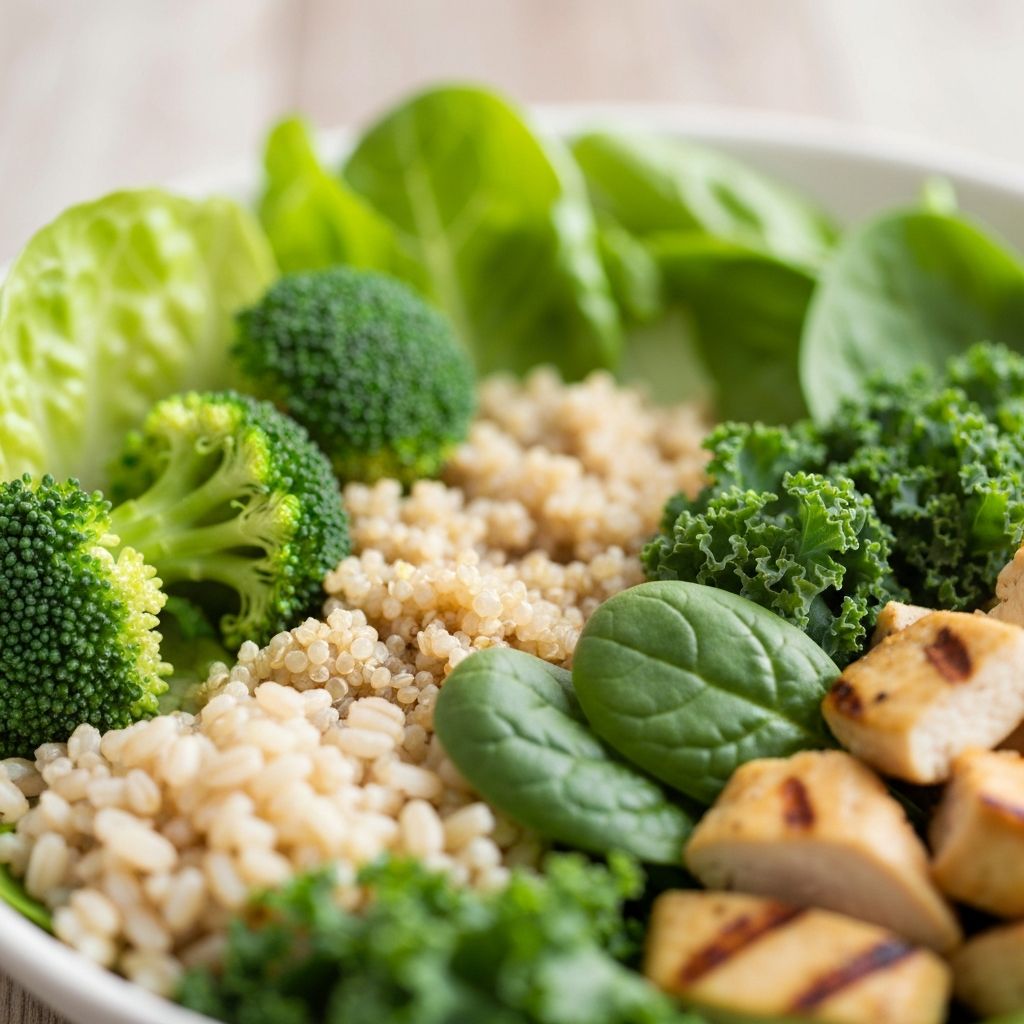
Practical approaches to enhancing nutrient density involve emphasizing whole foods, limiting processed options, and ensuring dietary diversity. Including multiple food groups within each meal increases the likelihood of obtaining a comprehensive micronutrient profile.
Preparation methods influence nutrient retention. While some cooking processes may reduce certain water-soluble vitamins, proper techniques preserve nutritional value while increasing bioavailability of other nutrients.
Optimal nutrient intake varies among individuals based on age, sex, activity level, metabolic characteristics, and specific health conditions. Understanding personal nutritional needs requires consideration of these individual factors rather than adopting generic recommendations.